Custom Neon Logos & Business Signs in Los Angeles
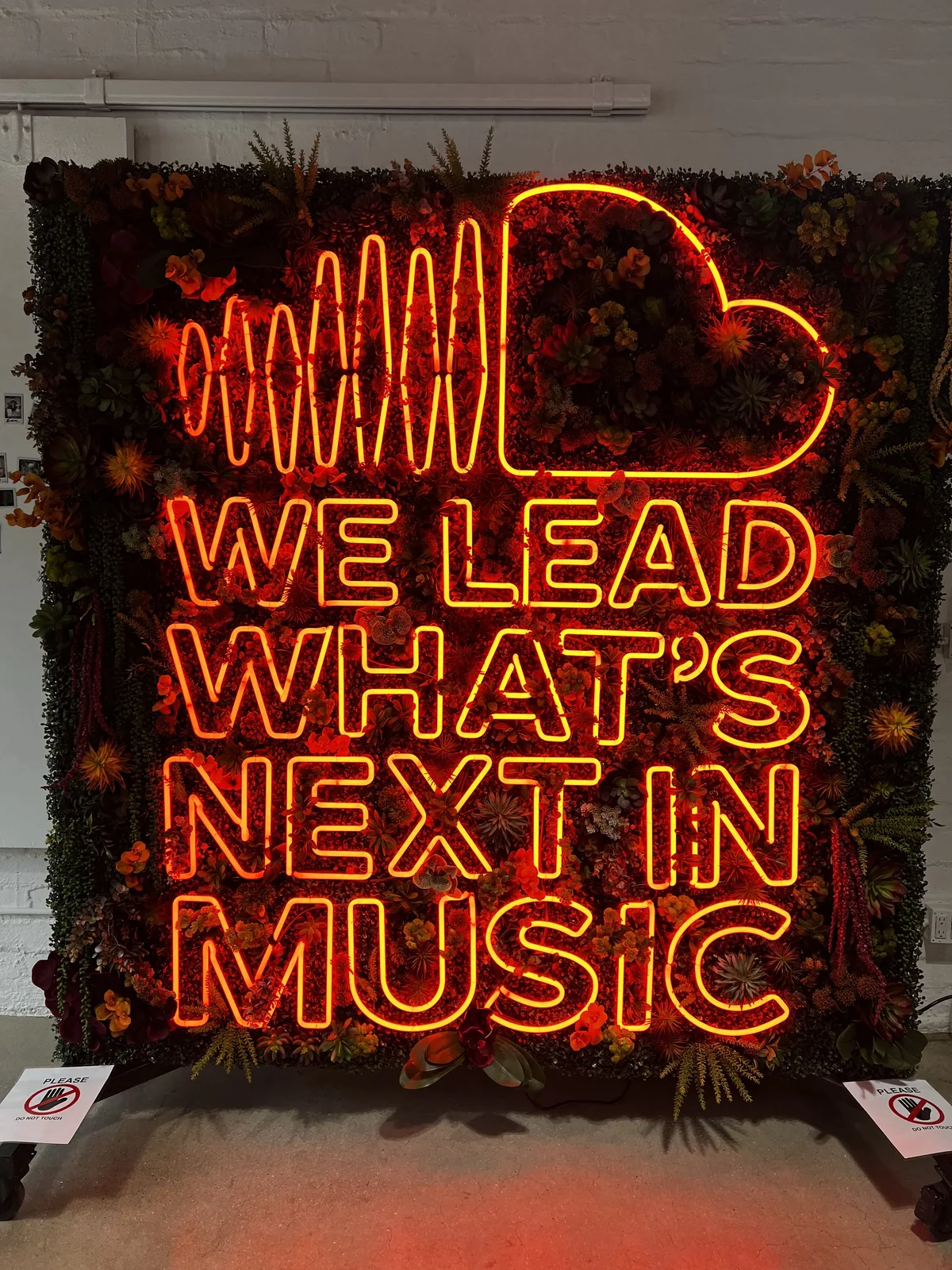
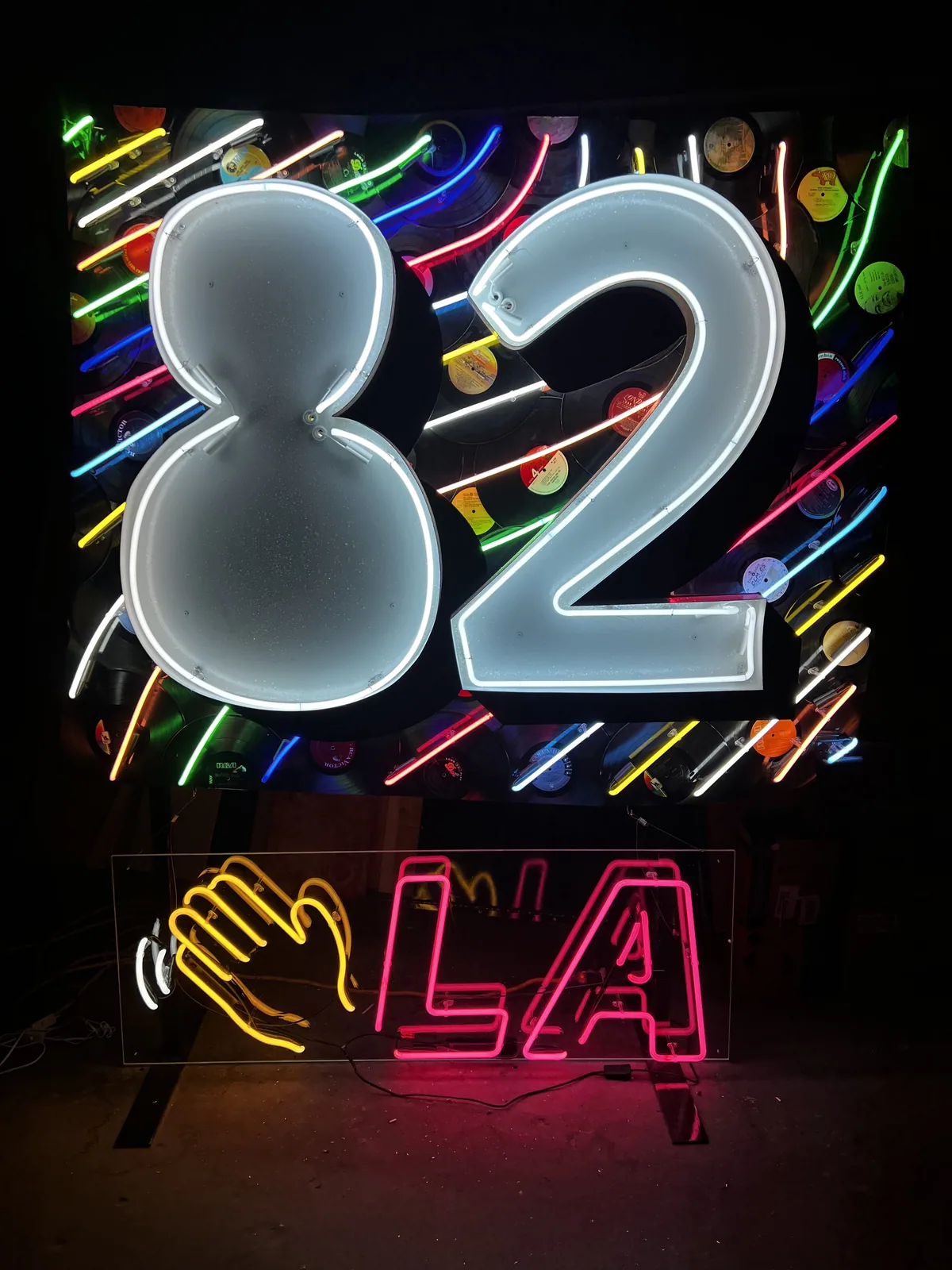
Your logo in light is about the cheapest square footage of advertising you'll ever buy. I'm Dani Bonnet, founder and lead fabricator at Neon Flamingo, and I build custom neon signs for business clients across Los Angeles — hand-bent glass or LED, Pantone colour-matched to your brand, designed and built in my Echo Park studio. Recent commercial work includes the SoundCloud LA headquarters logo, the hello82 vinyl-record logo build, and a restaurant-wide lighting commission for Bad Roman in Beverly Hills.
If you want a fabricator who actually makes the sign — not a reseller drop-shipping from a factory overseas — this is the page for you.
What I build for LA businesses
The range of commercial work that comes through this studio is wider than most people expect walking in. Here's what I build most, and why each type has its own set of requirements.
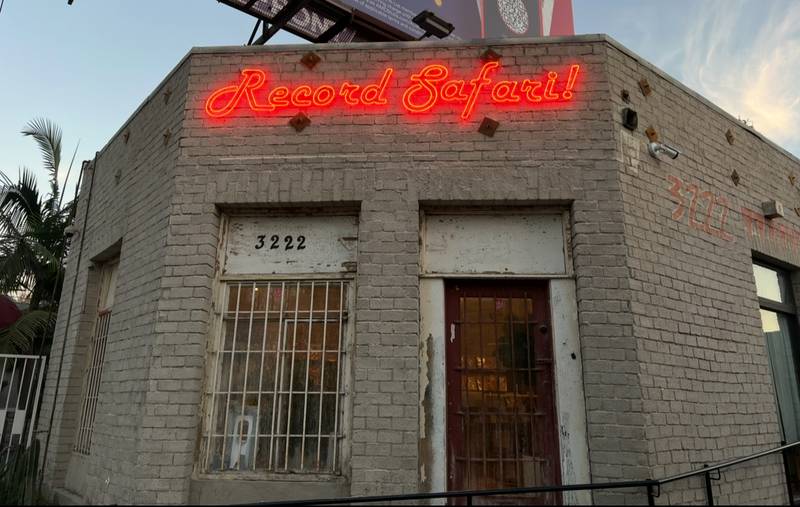
Storefront and exterior signage. A well-placed neon sign above your door is doing three jobs at once — identifying the business, pulling foot traffic off the street, and telling people you take your brand seriously. It's some of the highest-ROI marketing spend a small business can make, and it works 24 hours a day without a media budget.
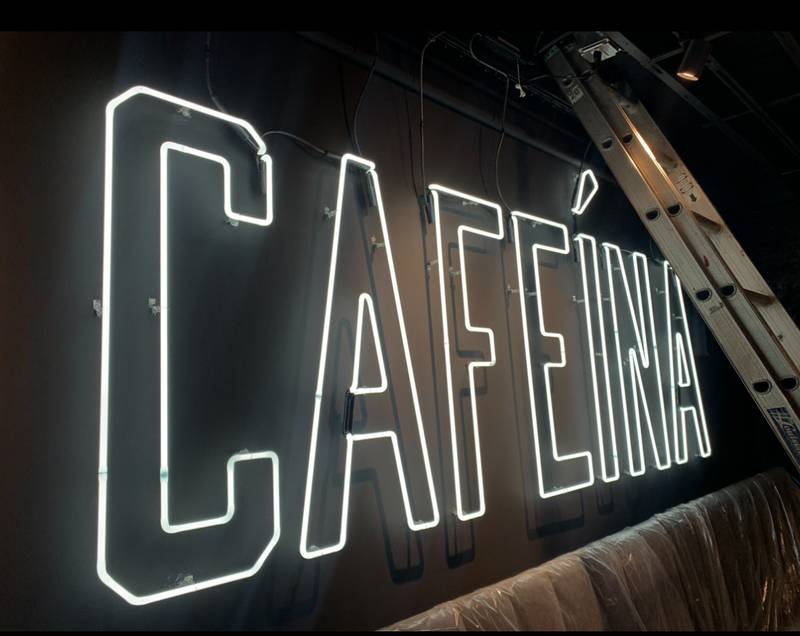
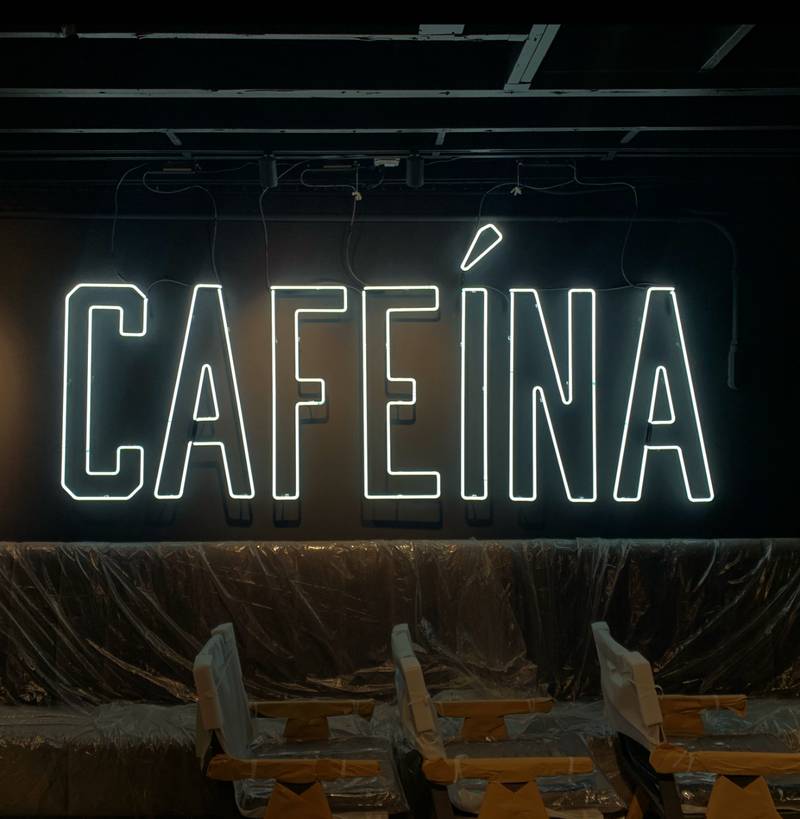
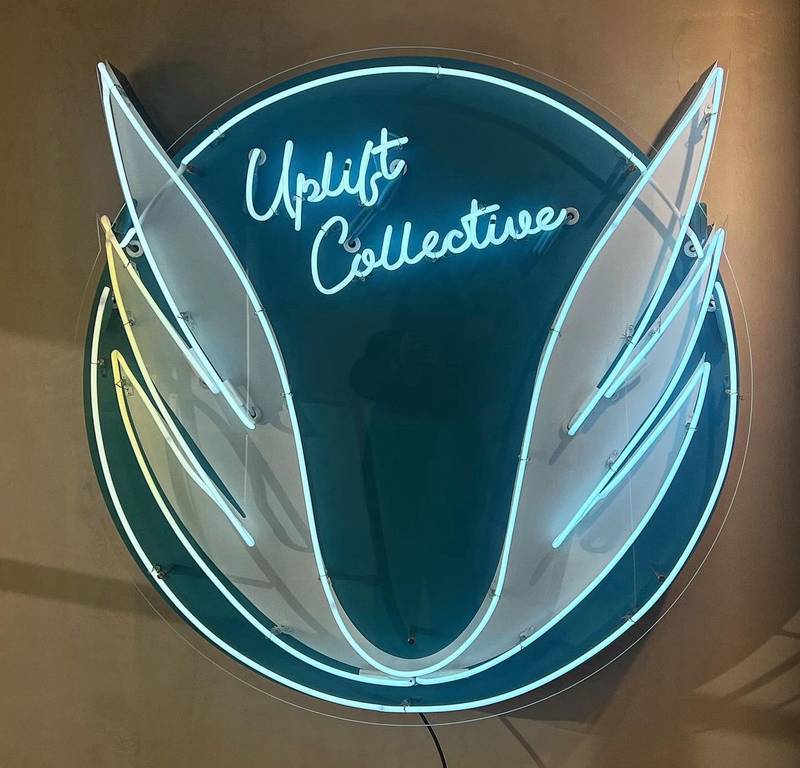
Reception walls and office logos. A neon logo on a reception wall is a brand statement and a photo backdrop at the same time. Every client who walks in, every team photo, every press visit — your brand's lit and on camera. LED tends to make more sense here when ceiling height or structural load is tight; glass wins when the brand wants warmth and depth over a flat glow.
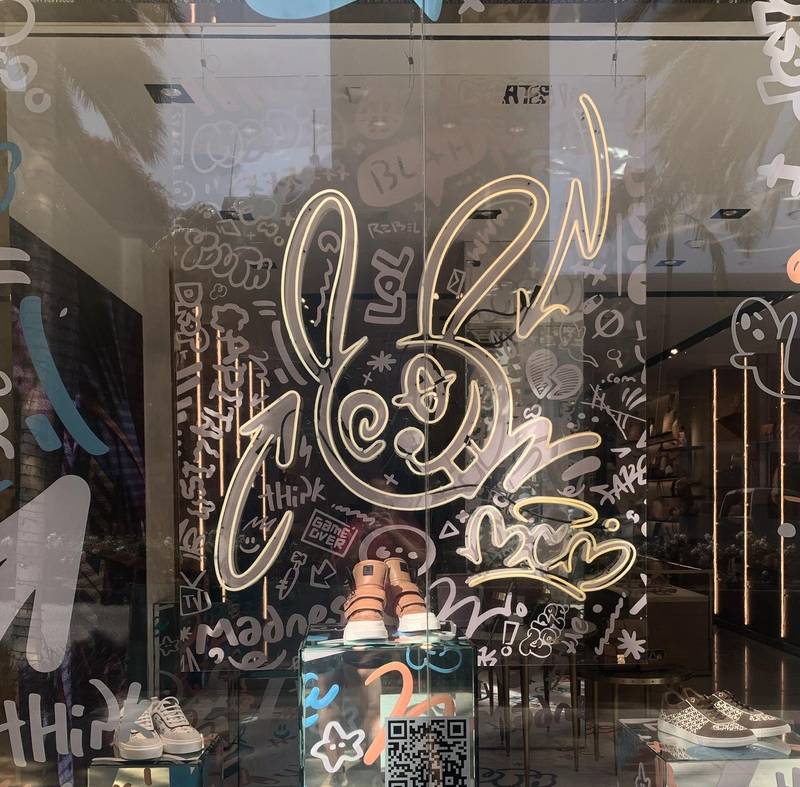
Showroom and retail displays. A sign inside a showroom directs attention and anchors the space. I've built logos for automotive showrooms, luxury retail, and pop-up activations where the sign ends up being the centerpiece of the whole room.
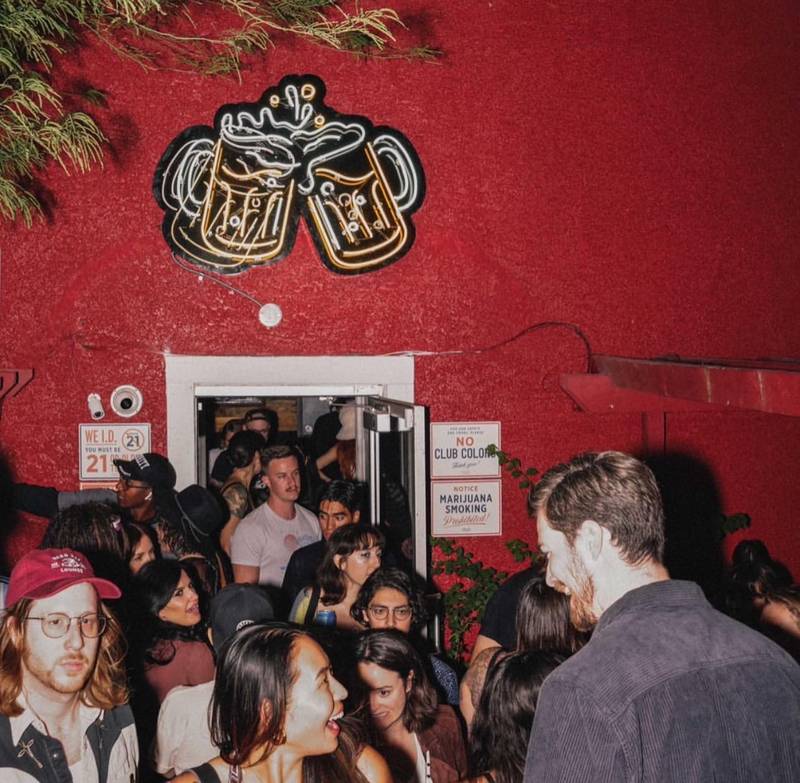
Restaurant and bar neon. A sign behind the bar sets the atmosphere before a single drink gets poured. Bad Roman in Beverly Hills is a good example — the neon there is part of the dining experience, not an afterthought.
Gym and fitness studio branding. Gyms and studios use neon to energize the space and give members a natural backdrop for content. LED tends to be the pick here since it's light and easy to mount on almost any surface.
Multi-location rollouts. Brands opening several LA locations need the same color and hardware at every site. I spec one build standard — same transformer, same mounting, same Pantone-matched color — and replicate it across every store. More on that below.
How I color-match your brand
This is the part I want to walk through properly, because it's where most fabricators either skip the detail or just can't explain it. Color-matching in neon isn't like color-matching in print. It's not paint.
The color you see in a lit sign comes from three things working together: the color of the glass tube itself, the phosphor coating on the inside of it, and the gas used to fill it. Pure neon gas gives you the warm reds and oranges you picture with classic signage. Argon mixed with mercury vapor gives you blues, greens, whites, and most of the cooler tones — the color there is actually coming from the phosphor coating fluorescing under the UV the argon-mercury discharge produces. Change the phosphor, change the color. That's why there are dozens of distinct whites and blues and greens out there, and why picking the right combination takes real experience, not just a color chart.
Here's why that matters for your brand: a color that looks right on a printed Pantone swatch will look different once it's lit from the inside in a dark room. The lit version always reads more saturated, and the hue can shift depending on ambient light in the space. My job at this stage is managing that gap — picking the glass, phosphor, and gas combination that gets closest to your actual brand color under the real lighting conditions of your space, and showing you a lit reference before anything's committed.
Once I have your artwork and your Pantone or hex references, I work through the coloured glass options, cross-reference the phosphor catalogue, and land on the gas fill that gets closest. For anything critical — a specific red, a particular warm white, a corporate blue — I'll pull sample tubes and light them side by side before locking the spec. If a color's genuinely hard to hit in glass (some greens and purples are), I'll tell you that straight up and show you the closest real match instead of promising something I can't deliver.
There's a second thing that comes up a lot with logos: stroke weight. Neon is a continuous bent tube, and there's a practical minimum diameter for any bend — roughly 8mm for tight curves. A logo with very fine strokes, hairline serifs, or tiny counters (the enclosed space inside letters like O, P, and B) can't always be reproduced exactly in glass. When that happens, I adapt the letterform — thickening a stroke slightly, opening up a counter, simplifying a detail — and send you a marked-up mockup showing exactly what's changing and what isn't. You approve the adapted design before I touch the glass. Changes are easy on paper. They're expensive in tube.
Done properly, this is the difference between a custom light logo that actually reads as your brand and one that's just a generic approximation of it.
Storefront and exterior signage
Exterior neon has a different set of requirements than interior work, and getting them right is what separates a sign that lasts from one that fails the first wet season.
Everything I build for exterior is spec'd for weather — sealed housings, outdoor-rated transformers, weatherproof electrode boots, UV-stable backing. Mounting hardware gets picked for the actual substrate, whether that's masonry, timber, steel, or composite cladding, and I can provide drawings for landlord approval or permit review. Most of LA has sign permit requirements, and I can give your contractor or property manager the technical drawings they need.
Size and stroke weight matter more on a storefront than almost anywhere else. A sign that reads clean at 10 feet can disappear at 50. I advise on minimum tube diameter and letter height based on your actual viewing distance — curb to frontage, or nearest crosswalk — so the sign does its actual job.
Bad Roman in Beverly Hills is a good example of this. That commission covered multiple sign elements across the restaurant's interior and exterior, each spec'd for its own viewing distance and ambient light. Exterior neon at that level is a long-term investment — a well-built glass sign on a storefront, properly sealed and correctly powered, runs 20 years or more. The transformer's the part that eventually needs attention, not the tubes, and that's a simple, inexpensive swap.
Reception walls and interior office logos
Interior logo signs have a different priority — they need to look clean, float off the wall, and hide every trace of what's powering them.
I handle this by remote-mounting the transformer — the power supply — in a ceiling void, a junction box, or a wall cavity behind the sign. The low-voltage wiring runs through the wall and connects from behind, so what you actually see on the wall is the sign and nothing else. No visible transformer box, no surface conduit, no cable management strips. The sign just floats.
SoundCloud's LA headquarters logo is a good example — it sits on a feature wall in the reception area, clean and brand-accurate, completely self-contained from a visitor's perspective. The hello82 vinyl-record logo build is another: a multi-color custom logo, all powered from a concealed junction box so the finished piece reads as one illuminated object, not a sign plus infrastructure.
This matters for two reasons. It just looks better — a reception wall logo with visible wiring looks unfinished. And a reception wall logo is one of the most photographed surfaces in any commercial space. Every team photo, every press visit, every social post from that room is going to include it. Getting the install right matters as much as getting the sign right.
Large signs and multi-location rollouts
Rollouts are their own kind of project and need their own kind of brief.
When a brand's opening multiple locations — two restaurants or ten retail stores — the neon at every site needs to match exactly: same color, same hardware, same mounting spec, same transformer. Color drift between locations is a real problem when each sign gets built to a loose brief. A warm white that reads slightly pink in one store and slightly yellow in another is a brand consistency problem that's expensive to fix after the fact.
The way I handle it is building one master spec before any production starts — the glass color, the phosphor, the gas fill, the transformer model, the mounting hardware, the backing material, all locked in. Every sign in the run gets built to that spec. If one location has an odd mounting surface or a non-standard power situation, I document it and solve it at the design stage, not on install day.
Briefing a rollout is straightforward: send your brand guidelines, Pantone references, approximate dimensions per location, and a list of sites with their install environments (interior or exterior, mounting surface, ceiling height). I come back with a master spec, a per-unit quote, and a production schedule.
What a custom business neon sign costs
This comes up on every inquiry, so here's a straight answer.
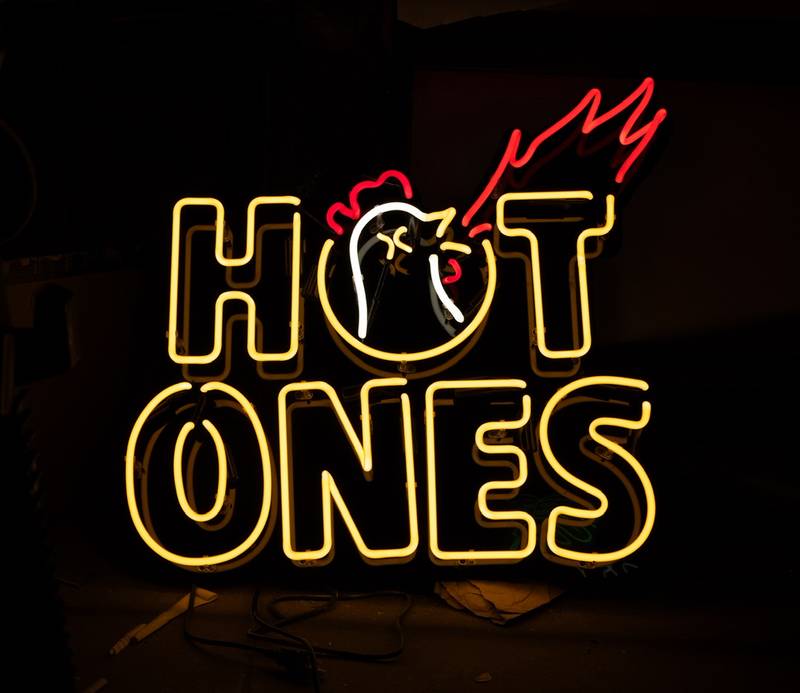
Price comes down to four things: tube footage (more glass, more bending time, higher cost), number of distinct colors (each one's its own tube section with its own electrode work and gas fill), glass versus LED, and mounting complexity (interior flush-mount versus exterior structural mount).
Custom LED neon logos — a word, a simple logo, a short phrase in one or two colors — start around $500 for smaller pieces and scale up with size and complexity. LED's faster to build and cheaper at large formats.
Glass neon commercial signs — the real thing, hand-bent tube by tube — run from around $1,500 for a simple single-color logo up to $10,000 and above for large-format, multi-color, or structurally complex work. The premium over LED reflects the fabrication time and the lifespan — a well-built glass sign will outlast an LED sign by a decade or more.
Exterior work adds cost for weatherproofing and outdoor-rated hardware. Rollouts get quoted per unit with volume pricing.
What I won't do is pad a quote with vague line items. Send me your artwork, an approximate size, and where it's going, and I'll come back with a real number. Quotes are free.
How the process works — brief to install
1. Send your artwork and brief. A vector file (AI, EPS, SVG, or PDF) plus Pantone or hex references, your target size, and where it's going — interior or exterior, mounting surface, ceiling height if it matters. No vector file yet? Send what you have and I'll tell you what's needed.
2. You get a to-scale mockup. I draw the letterforms or artwork to scale, map the tube runs, pick the color spec, and show you exactly how it'll look — including any letterform adjustments for stroke weight — before anything gets built. This is where we lock in color, size, and mounting approach.
3. You approve. Nothing gets built until you sign off.Changes are easy at the mockup stage and expensive once the glass is hot. I don't start bending until I have your written go-ahead.
4. Fabrication. Glass bending, gas fill, electrode work, wiring, transformer selection, aging, and testing — the full process, done in my Echo Park studio. Standard turnaround is two to four weeks. Rush timelines can sometimes be accommodated — contact me first and I'll tell you straight whether your date's realistic.
5. Delivery and installation across Los Angeles. I deliver and install throughout LA myself. For exterior work, that includes mounting hardware, safe power runs, and any on-site adjustments the actual mounting surface calls for. I'm the one who shows up, because I'm the one who built it.
Frequently asked questions
Can you match my brand colors exactly in neon?
Yes — and it's more involved than most people expect. I color-match using coloured glass selection, phosphor coating choice, and gas fill together. The tricky part is that a lit neon color reads more saturated than the same Pantone reference does in print, and the perceived hue shifts with ambient light. I manage that by pulling lit references before finalizing the spec, so you're approving a color you've actually seen lit, not a swatch on a chart.
Will my logo work as a neon sign?
Most do. The main limits are stroke weight (very fine strokes can't bend in glass below a minimum diameter) and complexity (gradients and photographic detail don't translate to a continuous tube). When a logo needs adapting, you get a marked-up mockup showing exactly what changes and what stays. Nothing gets built until you've approved it.
What file do you need from us?
A vector file — AI, EPS, SVG, or PDF — plus Pantone or hex color references. Raster files (JPEG, PNG) can be redrawn, quoted separately. The cleaner the artwork, the faster the mockup stage moves.
Can you hide the wiring on a reception wall sign?
Yes. I remote-mount the transformer in a ceiling void or junction box so the power supply is completely out of sight. The wiring runs through the wall and connects from behind. What you see is the sign, nothing else.
Do you handle installation as well as fabrication?
Yes. I deliver and install throughout Los Angeles myself. Exterior installs include mounting hardware, outdoor-rated power runs, and on-site adjustments for the actual substrate. I'm accountable for the finished result because I built it and I'm the one putting it up.
See how signs actually get made on the custom neon sign fabrication page, browse recent projects, or learn about neon sign repair if you're maintaining an existing installation. Ready to start? Get in touch.
This page was written by Dani Bonnet, founder and lead fabricator at Neon Flamingo, hand-bending glass neon in Los Angeles.